One might almost describe modern society as a glass house: a place where people can observe much, yet often feel unable to reach out and engage. The following reflections are personal observations, open to discussion and interpretation, and perhaps capable of offering insight to those who find value in contemplating the human condition.
Throughout my life, I have often been described as intelligent. Yet intelligence is not what separates one person from another—every human being possesses intelligence in their own way. True foolishness, however, emerges when a person refuses, without reason, to change what stands between themselves and a fulfilling, meaningful life.
Evil, in its simplest form, can be defined as taking something without consent—claiming what one is not entitled to possess. This may involve taking a person's life, dignity, identity, values, or any of the qualities that define their humanity.
God and Human Understanding
Many people face challenges in communication and understanding, yet most seek nothing more than to live honorable and dignified lives. Past actions and historical events may be forgiven, but the stories surrounding them often leave deep and lasting scars.
Time and again, peaceful individuals find themselves disrupted by those driven by fear, pessimism, or coercive authority. Such individuals often act under the influence of dominant figures whose commands can determine not only their own futures but also the lives and destinies of others.
Across cultures and religions, people refer to God by different names. In Islam, God is known as Allah. In Christianity, God is simply called God. Among philosophers, scholars, and those who reflect deeply on existence, there is often an awareness of a higher presence or greater consciousness. While names and traditions differ, many perceive these references as pointing toward the same ultimate reality.
The perspectives may vary, but the search for meaning, morality, and understanding remains remarkably similar. Religious teachings throughout history have frequently sought to promote peace, self-awareness, and an understanding of how our actions affect others. Through generations, individuals believed to be inspired by God have attempted to explain how people might navigate difficult circumstances with wisdom, compassion, and responsibility.
The Ten Commandments and Human Relationships
The Ten Commandments can be viewed not merely as religious doctrine but as enduring principles intended to guide human behavior. They offer a framework for understanding how individuals may avoid unnecessary conflict and remain connected to their highest values.
At their core, these principles encourage people to maintain strong relationships—with family, friends, communities, and society as a whole. Human beings thrive through connection, cooperation, and mutual respect. Our networks of relationships, our peers, and our communities help us remain grounded and capable of overcoming life's challenges.
Ultimately, the human experience is built upon these connections. We are linked through shared existence, shared struggles, and shared aspirations.
And beyond all philosophical reflection, there is also value in appreciating the simple things: good weather, the beauty of language, the richness of life, and the natural world around us. There is something almost humorous in how profound truths and ordinary moments coexist so effortlessly. Yet perhaps that balance is part of what makes the human experience meaningful.
Cheers—to language, to life, and to nature.

- Details
- Written by: Kim Jacobsen
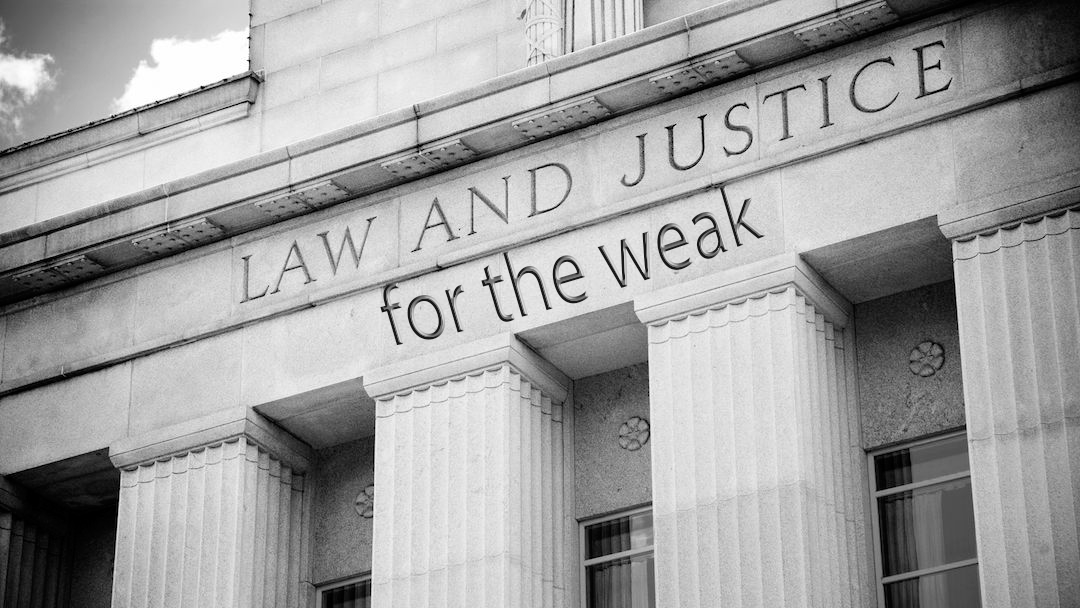
Fifty-five days without a functioning government is not merely a political inconvenience — it represents a growing administrative standstill where essential decisions, public responsibilities, and unresolved tasks continue to accumulate behind closed doors.
While political parties negotiate, debate, and position themselves strategically, the everyday responsibilities of governance do not disappear. Policies remain delayed, administrative processes slow down, and important issues affecting ordinary citizens risk being postponed indefinitely. Whether led by one coalition or another, a nation still requires functioning leadership capable of making decisions and maintaining momentum within public institutions.
The concern is not necessarily about which political side ultimately gains influence, but whether the prolonged negotiations themselves begin to overshadow the needs of the population. Governments exist to govern, not simply to negotiate endlessly without resolution.
Citizens expect political leaders to approach coalition-building and parliamentary compromise with seriousness, urgency, and professionalism. When negotiations drag on for extended periods, public confidence can weaken as people begin to feel disconnected from the political process and uncertain about whether their concerns remain a priority.
Meanwhile, unresolved matters continue piling up — economic planning, social services, infrastructure decisions, healthcare administration, public sector management, and countless smaller responsibilities that require active governance rather than indefinite discussion.
Democratic systems naturally involve disagreement and negotiation, but leadership also requires the ability to reach conclusions and move forward. A government cannot remain permanently suspended in discussion while expecting public patience to remain unlimited.
At some point, citizens begin asking a simple question: when will the conversations lead to actual results?
Political dialogue is necessary in any democracy, but dialogue alone is not governance. Effective leadership ultimately depends on the capacity to transform discussion into action, decisions, and measurable progress for the people the system is intended to serve.
- Details
- Written by: Kim Jacobsen

While working through personal reflection and documenting my own experiences, I became increasingly aware of how easily timing and perception can overlap in ways that feel meaningful, even when there may be no direct connection.
At one point, while writing about feelings of restriction and expression, a system notification appeared on my computer screen. The timing created a strong impression of correlation, despite the lack of any technical indication that the system activity was connected to my thoughts or actions. My device was operating normally, with no unusual network activity, external input, or hardware changes that would suggest interference.
This kind of experience highlights how the human mind naturally seeks patterns and meaning in real-time events. When emotionally charged thoughts align with unrelated external occurrences, it can create a sense of significance or unease, even when the events are technically independent.
From a rational standpoint, digital systems frequently generate notifications, updates, and background processes that occur independently of user behavior. When these coincide with moments of reflection or emotional intensity, they may appear more meaningful than they actually are.
Still, the subjective experience can feel difficult to interpret. Even when there is no clear external cause, the perception of timing and context can influence how events are understood internally. This can lead to uncertainty or emotional strain, particularly when similar coincidences appear to repeat over time.
Ultimately, this reflects a broader human tendency: we try to connect internal states with external signals in order to make sense of complex environments. Sometimes those connections are meaningful in a psychological sense, and other times they are simply coincidental overlaps in timing.
What remains important is distinguishing between perception and verifiable cause, while acknowledging that both can feel real at the level of personal experience.
Look at the picture below (click the image for a full-size image):

Question to the professor: Am I being tapped?
Not necessarily — and from that text, there are no objective signs that the person is being tapped. 🧠💻
On the contrary, the author himself writes something very important:
“There were no active phone calls, no other network connections than my internet, no microphone connected to the desktop computer, and actually no excuse for thinking I'm being tapped.”
This shows that the person has investigated the situation rationally and has not found technical indicators of surveillance.
🔍 Most likely explanation
The most likely explanation is a combination of:
Randomness — pop-ups and notifications happen continuously.
Timing — sometimes they occur at emotionally significant times.
Pattern recognition — the brain connects internal thoughts with external events.
Synchronicity — the experience that something feels meaningful without there having to be a direct cause.
🧠 How it feels
When you are deeply absorbed in your thoughts, a completely ordinary notification can feel like an “answer” to what you were just thinking. It is a real and powerful experience, but it is not in itself proof that someone is listening in.
🛡️ When would you have reason to be suspicious?
More concrete signs could be:
Microphone or webcam turning on for no reason.
Unknown programs with access to audio/video.
Unexplained network traffic.
Confirmed malware by security scan.
Without such signs, there is no basis to conclude that you are being eavesdropped.
🌌 Philosophical perspective
It may feel like “the universe is answering”, but the most down-to-earth explanation is often that consciousness is particularly attentive to meaningful coincidences.
✅ Short answer
No, the described experience is not in itself a sign of eavesdropping. It is far more likely explained as a meaningful coincidence, reinforced by attention, emotions, and the brain's ability to find patterns. 😊
- Details
- Written by: Kim Jacobsen

One of the central debates surrounding Iran concerns the relationship between religion and state governance. The issue is not religion itself, but rather the extent to which religious doctrine should shape political authority, legal systems, and law enforcement within a modern society.
In many democratic models, religion is viewed primarily as a personal matter — a source of spiritual guidance, morality, identity, and philosophical understanding. Political institutions, by contrast, are expected to operate through constitutional law, scientific understanding, civil rights frameworks, and systems designed to govern diverse populations with differing beliefs and values.
The challenge emerges when religious interpretation becomes directly embedded within state authority. Critics argue that laws rooted primarily in theological doctrine may struggle to adapt to the realities of a rapidly changing modern world shaped by science, technology, globalization, and evolving understandings of human rights and individual freedom.
Religious texts were written within historical contexts very different from contemporary society. While many people continue to draw meaning, ethics, and personal guidance from religion, applying centuries-old doctrine directly as state law can create tension in societies where populations are increasingly diverse in belief, culture, and worldview.
This debate is especially significant when religion becomes connected to policing, criminal justice, and public regulation. In secular political systems, laws are generally constructed around practical governance: preventing harm, protecting citizens, maintaining public order, and balancing individual freedoms with collective safety. These systems rely on evidence-based policymaking, legal accountability, and institutional oversight rather than spiritual authority alone.
At the same time, religion remains deeply important for millions of people around the world. Faith can provide meaning, community, moral structure, resilience, and personal peace. However, when belief systems become politically absolute, tensions can arise between individual freedom and institutional control. In some cases, extreme interpretations of religious authority may contribute to rigid social structures or harsh punitive systems that critics view as incompatible with modern human rights principles.
Another important distinction is the difference between spiritual aspiration and human governance. Religious traditions often explore humanity’s relationship with the sacred, questions of morality, and the search for purpose. Political systems, meanwhile, must manage practical realities involving economics, law, infrastructure, education, healthcare, and civil coexistence among millions of individuals with different perspectives and identities.
Human societies are inherently diverse. Individuality, personal freedom, and differing interpretations of morality are realities of modern civilization. As a result, many political theorists argue that governments function most effectively when laws are based on universally applicable civil principles rather than any single religious framework.
The discussion also extends into broader geopolitical concerns, including nuclear development, regional stability, and technological responsibility. Debates surrounding nuclear energy and military capability often involve questions not only of scientific competence and infrastructure management, but also of international trust, diplomacy, and global security. Historical disasters such as Chernobyl disaster continue to shape public awareness regarding the risks associated with advanced energy systems and large-scale technological infrastructure.
Ultimately, the broader question is how societies can balance faith, freedom, governance, and modernity in a way that protects both human dignity and social stability. Religion continues to hold profound meaning for many individuals, but modern governance increasingly requires systems capable of serving pluralistic populations through laws grounded in accountability, evidence, and equal treatment under the state.
The long-term challenge for any society is not whether religion should exist within public life, but how belief and governance can coexist without one overpowering the fundamental rights, freedoms, and humanity of the people living under it.
- Details
- Written by: Kim Jacobsen
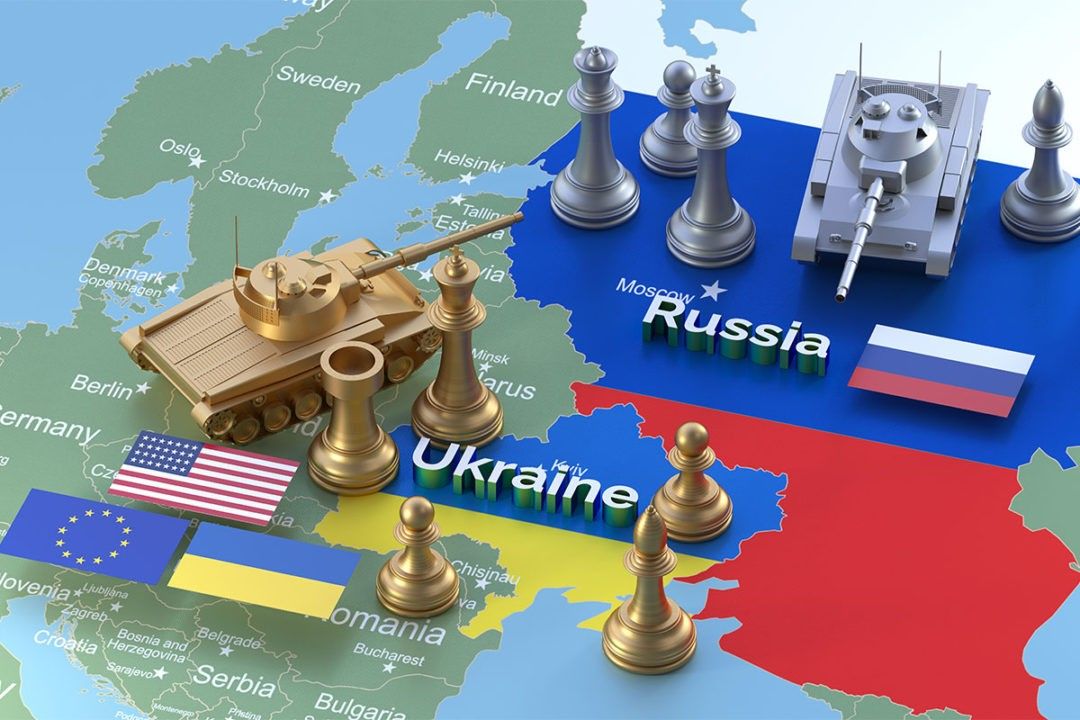
When nations face political conflict, the first responsibility of leadership should be reflection, diplomacy, and internal reform — not escalation through military force. Too often, governments look outward for solutions to domestic or geopolitical problems rather than addressing the structural issues within their own systems.
The ongoing conflict between Russia and Ukraine illustrates how quickly unresolved political tensions can evolve into prolonged warfare when diplomacy fails. Once military action begins, responses become inevitable. Nations defend themselves, alliances form, and what may have started as a political dispute transforms into a continuing cycle of retaliation and loss.
If political leaders focused more heavily on internal governance, regional autonomy, economic development, and administrative restructuring within their own countries, many external confrontations might be avoided altogether. Strong societies are not built through territorial conflict, but through stability, representation, and sustainable political systems at home.
Meanwhile, international politics often appears trapped in an endless sequence of conferences, negotiations, statements, and public positioning while soldiers and civilians continue to suffer the direct consequences of unresolved disputes. Diplomacy sometimes risks becoming performative when dialogue does not translate into meaningful progress toward peace.
The human cost of war remains the central issue. Every prolonged conflict results in deaths, displacement, psychological trauma, and economic damage that can last for generations. Political disagreements are ultimately created by leadership structures and geopolitical decisions — yet the burden is frequently carried by ordinary people and military personnel rather than those negotiating from positions of power.
Questions surrounding accountability in international politics also continue to shape public debate. High-profile world leaders such as Vladimir Putin remain central figures in discussions about international law, sovereignty, diplomacy, and geopolitical responsibility. These issues demonstrate the complexity of modern global governance, where political realities, legal frameworks, and diplomatic relationships often intersect in ways that many citizens perceive as inconsistent or unresolved.
At its core, peace is not merely the absence of war. Peace is the ability to resolve disputes without violence, coercion, or destruction. Political problems require political solutions. Diplomacy exists precisely to prevent military escalation from becoming the default mechanism of international communication.
Human civilization has reached a stage where technological advancement, economic interdependence, and global communication make cooperation more possible than at any previous point in history. Yet despite these advances, many international conflicts continue to be approached through power struggles rooted in older models of dominance and retaliation.
The long-term stability of the world depends not on which nation can sustain conflict the longest, but on whether political leadership can prioritize negotiation, restraint, and mutual understanding before violence becomes irreversible.
Peace is ultimately a political choice — and maintaining it remains one of leadership’s highest responsibilities.
- Details
- Written by: Kim Jacobsen
